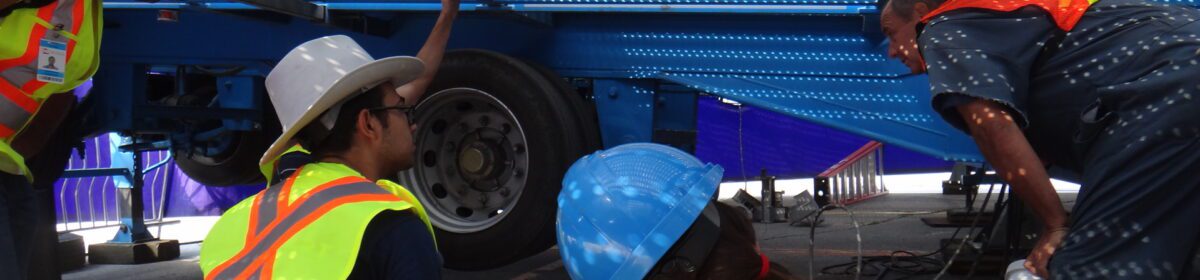
I enjoyed corresponding with Wil for this thoughtful article on carnival ride safety.
Continue reading “Contribution to article in Thrillist”Category: THRILL
Amusement ride accidents are spectacular, but experts say they’re rare: CBC
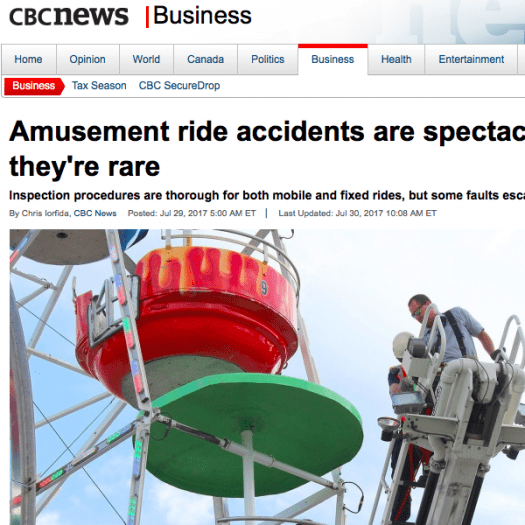
Happy to provide information and quotes for this good effort by CBC to provide a balanced report.
“Amusement ride accidents are spectacular, but experts say they’re rare”.
Continue reading “Amusement ride accidents are spectacular, but experts say they’re rare: CBC”When the worst happens
The worst thing that can happen at a theme park, amusement park, water park, or carnival is an injury to a rider. The rider and their family obviously are hurt worst, but the owner/operator and the entire industry shares the pain.
Many people work very hard to make sure rider injury does not happen, and because of the success of that effort, it rarely does happen. In the immediate aftermath, thoughts often go to negligence. Was the inspection skipped or shortcut? Did someone leave a part out? Did the rider bring it on themselves by misbehaving?
Continue reading “When the worst happens”Presentation: The necessary risk
The Necessary Risk, Keynote, Themed Entertainment Association, SATE (Storytelling+ Architecture + Technology = Experience) Conference
Report of rider injury
The fatal injury on the Schlitterbahn “Verrückt” waterslide has been reported as a decapitation.
Earlier accounts referred to a “neck injury”. Reporters enthusiastically parsed past Consumer Product Safety Commission reports and noted 28% of injuries in their dataset were head and neck injuries. They did not report that the CPSC data on amusement rides substantially overstates injury occurrence due to the inclusion of swan boats, ball pits, laser tag, corn mazes and other things that are not what you would popularly consider “amusement rides”. A study I published in the journal Safety Science in 2014 found the national estimate of actual amusement ride injuries was less than 2/3 of what CPSC data would suggest.
Continue reading “Report of rider injury”Parksmania recognizes ride accessibility initiative
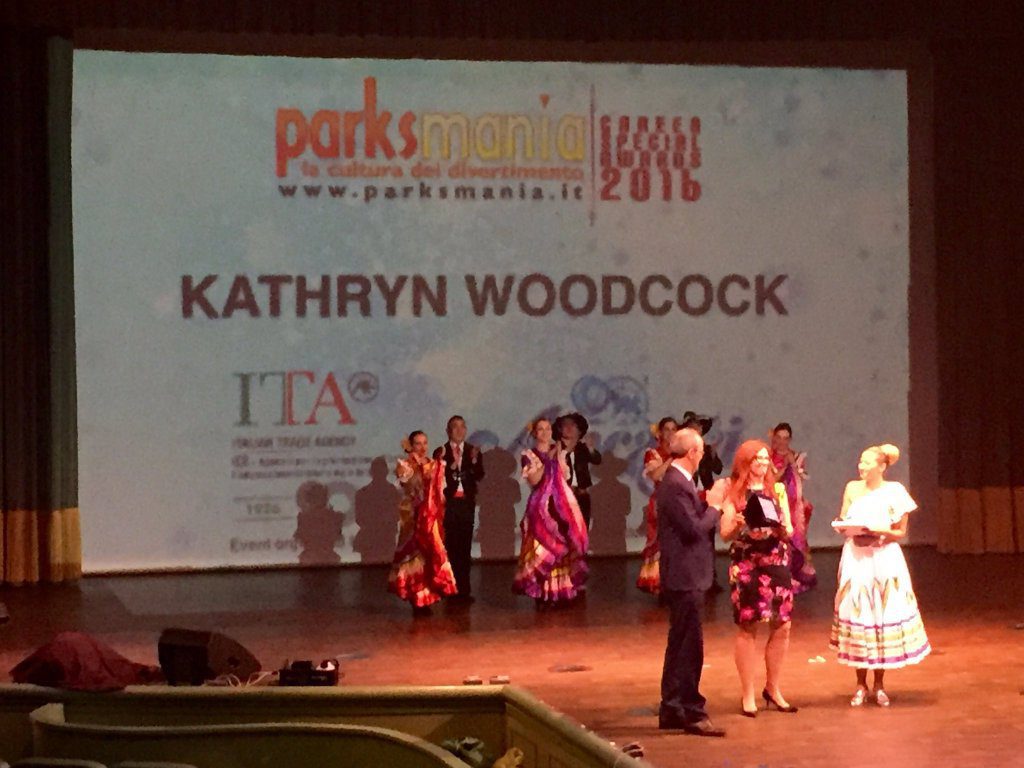
During the IAAPA Europe, Middle East and Africa Spring Forum at Gardaland Park in Peschiera del Garda, Italy, THRILL Lab Director Dr. Kathryn Woodcock was honoured with a Career Special Award for Professional Merit. This award recognized her leadership in the attractions industry project promoting expanded accessibility and risk-informed rider eligibility for rides.
Continue reading “Parksmania recognizes ride accessibility initiative”Paper: Determining participation eligibility for amusement attractions
Woodcock, K., 2015. Determining participation eligibility for amusement attractions. Procedia Manufacturing 3, 5389-5396.
Continue reading “Paper: Determining participation eligibility for amusement attractions”Sabbatical
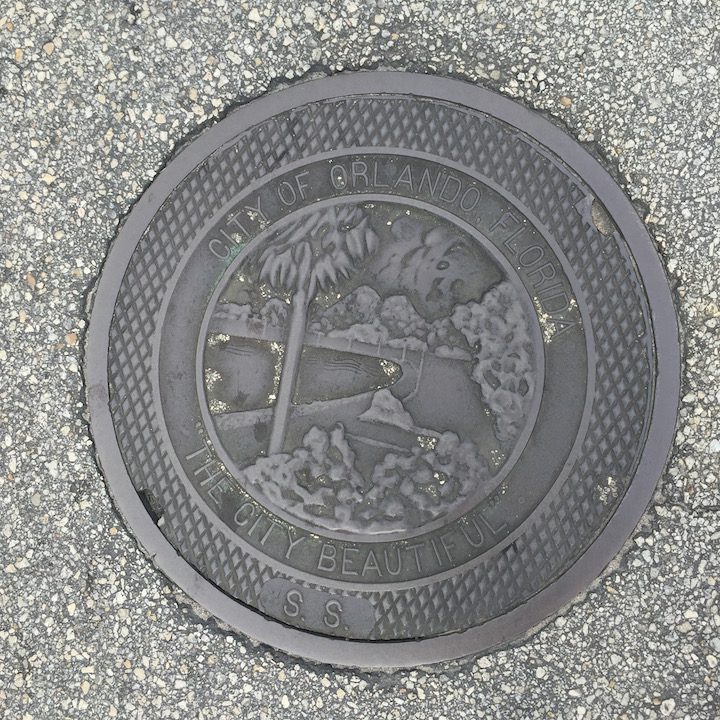
Orlando: the company town for themed entertainment.
I’m starting a sabbatical in Orlando, planning to learn, write, watch, and ride my way to progress on the rider eligibility / ride analysis challenge and tools for human factors applications in the attractions industry.
Continue reading “Sabbatical”Human factors and access to amusement rides
Human factors engineering looks at how the interaction of people and technology affects the performance of the whole system. The attractions industry creates a very interesting application because it doesn’t manufacture conventional products or other tangibles. An amusement ride is a system that produces fun. People are not consumers of the ride; they are a component of the system. The system is different with different people in it. Not only do people vary in their individual capabilities and limitations, but they also vary in their goals and definitions of fun.
Disabled people want to have fun too, and attraction operators in theme parks and carnivals want everyone to be able to participate to the fullest extent possible.
Continue reading “Human factors and access to amusement rides”Paper: Human factors and use of amusement ride control interfaces
Woodcock, K., 2014. Human factors and use of amusement ride control interfaces. International Journal of Industrial Ergonomics 44, 99–106. Link
Continue reading “Paper: Human factors and use of amusement ride control interfaces”