World’s Largest Swimming Lesson

2026 edition – June 25
locations worldwide!

Since 2010, “Team WLSL” from the aquatics industry has produced a worldwide day of swimming lessons. Taking place 2026 June 25, many local host locations including waterparks and other aquatic facilities will have learn-to-swim and water safety skills events. Tens of thousands of people will participate around the world. Look for an event near you.

Swimming lessons save lives.

Continue reading “World’s Largest Swimming Lesson”

Ride accidents in the media

Just last week (2025 August 14), there was a scary ride accident involving a derailment of a Wacky Worm kiddy coaster in England. As concerning as the accident was, the BBC News media report and Wales Online reports were very well done. Then this week (2025 August 18) comes a news clip from The National Herald headed “Four injured when Rhodes amusement park ride breaks” with a full-width photo of a Wacky Worm. Two Wacky Worm accidents in one week? Let’s see.

Continue reading “Ride accidents in the media”

A mountain coaster is not a roller coaster

The case of an injury on the Branson Coaster

Like many reports covered in the RRRR database, multiple media reports used imprecise terminology that has real implications for potential misunderstanding of hazards to the public. While it is understandable that a reporter may not know the difference when beginning to collect information for a report, it is irresponsible to be cavalier about terminology in the published version. Any hazards that may be implicated in this case have no relevance to “roller coasters”.

Continue reading “A mountain coaster is not a roller coaster”

When the worst happens

The worst thing that can happen at a theme park, amusement park, water park, or carnival is an injury to a rider.  The rider and their family obviously are hurt worst, but the owner/operator and the entire industry shares the pain.

Many people work very hard to make sure rider injury does not happen, and because of the success of that effort, it rarely does happen. In the immediate aftermath, thoughts often go to negligence. Was the inspection skipped or shortcut? Did someone leave a part out? Did the rider bring it on themselves by misbehaving?

Continue reading “When the worst happens”

Report of rider injury

The fatal injury on the Schlitterbahn “VerrĂĽckt” waterslide has been reported as a decapitation.

Earlier accounts referred to a “neck injury”. Reporters enthusiastically parsed past Consumer Product Safety Commission reports and noted 28% of injuries in their dataset were head and neck injuries. They did not report that the CPSC data on amusement rides substantially overstates injury occurrence due to the inclusion of swan boats, ball pits, laser tag, corn mazes and other things that are not what you would popularly consider “amusement rides”. A study I published in the journal Safety Science in 2014 found the national estimate of actual amusement ride injuries was less than 2/3 of what CPSC data would suggest.

Continue reading “Report of rider injury”

Disneyland Shanghai

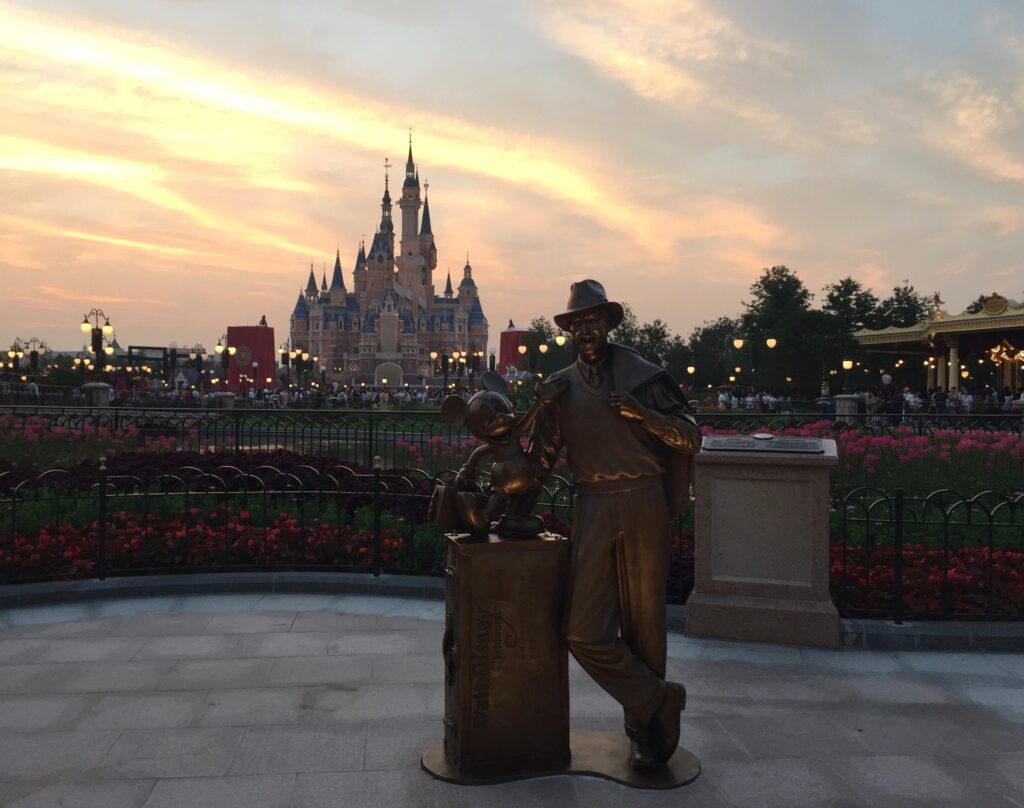
Disneyland Shanghai castle in the background of statue of Walt Disney with Mickey Mouse

The International Association of Amusement Parks and Attractions (IAAPA) hosts a series of valuable international conferences and expos. The IAAPA Asian Attractions Expo 2016 was held in Shanghai at the Shanghai New International Expo Centre (SNIEC) in mid-June, including a reception on the evening of opening day of Disneyland Shanghai, and a day visit to the park on Day 2.

Continue reading “Disneyland Shanghai”

Who makes attractions safe?

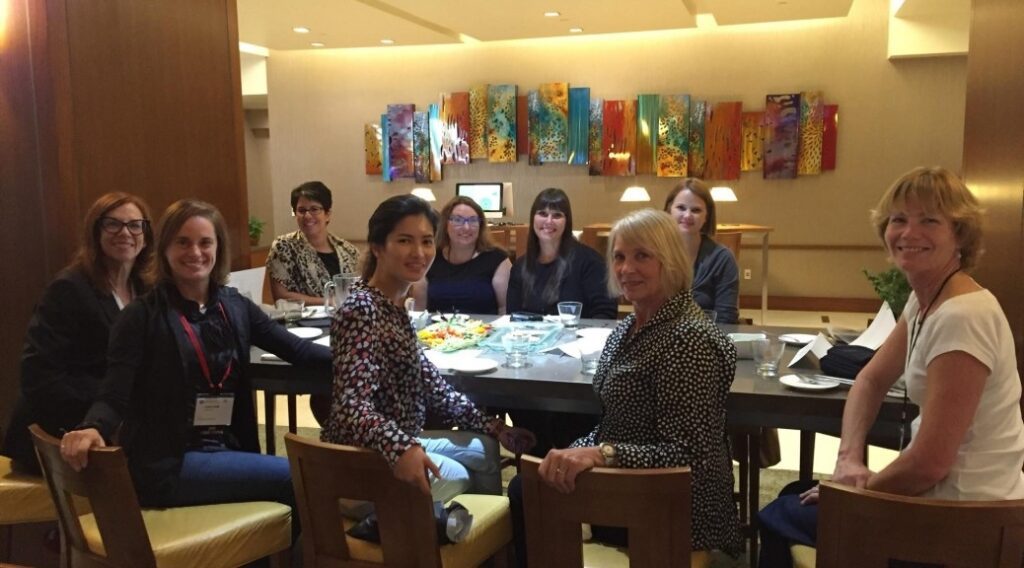
Nine women sit around table in hotel restaurant

There are many people involved in setting standards that make amusement rides and devices safe. The ASTM F24 standards are used in 19 countries, and counting. The committee has almost 900 members, and holds meetings three times annually. Meetings held in USA have almost 300 people participating in multiple concurrent sessions, literally poring over language used in standards to ensure that people following the standards will interpret the requirements as intended.

Continue reading “Who makes attractions safe?”